Rooting for the Wrong One: How Vietnamese Web Fiction Turned the Villain into the Main Character of Your Heart
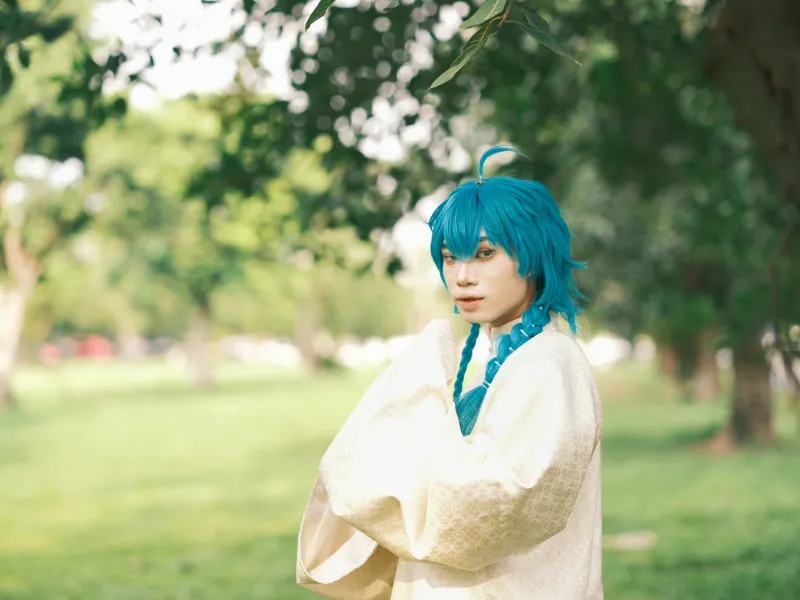
Somewhere around chapter forty-seven, you stop hating him.
You don't mean to. You came into this story knowing exactly who the villain was. The narrative told you. Other characters told you. The guy did genuinely terrible things in chapter three. But then the flashback hit, and the author showed you why, and now you're sitting at 1 a.m. with your phone glued to your face, desperately hoping this fictional man who has done objectively awful things somehow finds a way out.
This is the Vietnamese web fiction villain experience. And once it gets you, there's no going back.
The Western Villain Problem
American storytelling has a complicated relationship with antagonists. For decades, the dominant model was clean and simple: the villain exists to be defeated. Their evil is either cartoonish — think mustache-twirling, world-domination energy — or it's so heinous that sympathy becomes narratively forbidden. Even when Hollywood attempts moral complexity, it tends to hedge. The antihero gets their own show, their own origin story, carefully separated from the main plot so audiences can compartmentalize their feelings.
What Vietnamese web fiction does is structurally different. The villain doesn't get a spinoff. They stay right there in the story, doing bad things, while the author systematically dismantles every reason you had to dismiss them. It's not a redemption arc so much as a revelation arc — the character hasn't changed. You have.
Built to Break You
The craft here is worth examining closely, because it doesn't happen by accident.
Vietnamese web fiction writers — particularly in the romance, xianxia (cultivation fantasy), and historical drama genres — tend to construct antagonists with what readers on forums have started calling "competing loyalties." The villain isn't evil because they enjoy it. They're trapped between obligations: to a dying parent, to a kingdom that betrayed them first, to a version of themselves that existed before everything went wrong. Their harmful choices are legible. You understand the math even when you reject the answer.
This is distinct from the Western "sympathetic backstory" approach, which often functions as a checkbox. Vietnamese writers embed the backstory into the villain's present behavior — the way they flinch at certain words, the one person they inexplicably protect, the small mercy they extend when no one is watching. The tragedy isn't told to you in a single emotional dump. It accumulates.
By the time the full picture assembles, you've been quietly building a case for this character without realizing it.
Why American Readers Are Particularly Vulnerable
Here's something interesting: American readers who are new to Vietnamese web fiction often report being blindsided by their own emotional reactions to these characters. On Reddit threads and Discord servers dedicated to translated Vietnamese novels, you'll find the same confession repeated in different words — "I didn't expect to care about him this much."
Part of this is cultural unfamiliarity. Readers raised on a diet of Marvel films and YA trilogies have internalized certain genre signals. When a character is introduced as the antagonist, the brain files them under "obstacle" and moves on. Vietnamese web fiction exploits that filing system. The obstacle keeps showing up. The obstacle has a name. The obstacle remembers things the protagonist forgot.
There's also the serialized format doing heavy lifting. When you're reading a story released in chapters over weeks or months, you spend time with everyone — including the villain. That sustained exposure creates familiarity, and familiarity creates attachment whether you want it to or not. Western binge-watching culture compresses this process; Vietnamese serial fiction stretches it, giving the emotional investment nowhere to go except deeper.
The Fan Response Is Its Own Story
The online communities that form around these characters are remarkable. Fan translation groups for Vietnamese web fiction frequently report that villain-focused content — fan art, fan fiction, analysis threads — generates more engagement than protagonist content. There are entire forums dedicated to debating whether a specific character's choices were justified, with arguments that read less like fiction discussion and more like genuine ethical deliberation.
This is not accidental. Vietnamese web fiction has a long tradition of authors who actively read their comment sections and understand that the villain's moral ambiguity is a feature, not a bug. The debate is the point. Readers who are arguing about whether a fictional character deserved better are readers who are emotionally activated, and emotionally activated readers come back for the next chapter.
Some of the most discussed moments in Vietnamese web fiction communities aren't plot twists or romance milestones. They're quiet scenes — a villain choosing not to do something terrible when they easily could have. A moment of hesitation. A single line of dialogue that reframes everything that came before it.
What This Is Actually Doing to You
Psychologically, what Vietnamese web fiction achieves with its morally gray antagonists is something close to what therapists call perspective-taking — the ability to hold another person's reality alongside your own without requiring it to be simple or comfortable. These characters don't ask for your forgiveness. They don't usually get a clean ending. Sometimes they die badly, and the grief is real because the author made the grief earned.
For American readers navigating an increasingly polarized cultural moment, there's something almost relieving about fiction that refuses to sort everyone into a column. A villain who is genuinely wrong but genuinely comprehensible. A protagonist who is right but not righteous. A story that trusts you to sit with the discomfort instead of resolving it neatly.
Vietnamese web fiction didn't invent moral complexity. But it delivers it at scale, in serialized form, with the particular intimacy of a story you've been living inside for months.
The Heart of It
At Nhà Truyện, we've watched American readers discover this dimension of Vietnamese storytelling and go through what can only be described as a recalibration. The reader who starts a story certain they know who to root for, and ends it uncertain whether they were rooting for the right person all along — that reader has been changed by the experience.
That's what good fiction does. And Vietnamese web fiction, at its best, is doing it chapter by chapter, villain by quietly devastating villain.
So if you find yourself, somewhere around chapter forty-seven, hoping the wrong person makes it out okay — welcome. You're exactly where the author wanted you.