The 3 A.M. Problem: What Vietnamese Serial Fiction Is Doing to American Sleep
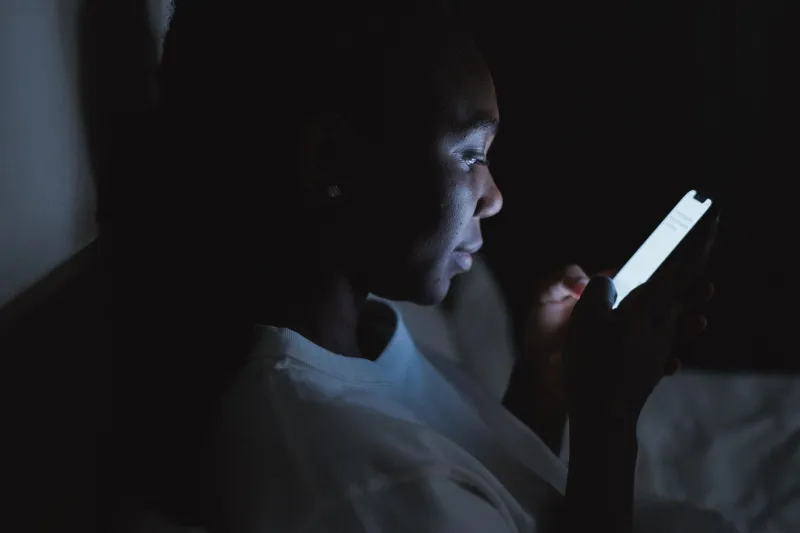
Somewhere in suburban Chicago, a 28-year-old graphic designer named Priya is lying in bed at 3:47 a.m., phone screen at minimum brightness, telling herself this is absolutely the last chapter. The male lead just showed up at the female protagonist's door in the rain. She is not stopping now.
Priya has a 9 a.m. meeting.
This scene — or some version of it — is playing out in apartments and houses across the United States with increasing frequency, as Vietnamese web fiction finds its footing in American reading culture. The genre's episodic release model, combined with cliffhanger-engineered chapter endings, has created what some fans are half-jokingly calling "the 3 a.m. problem."
It's funny until you've done it four nights in a row.
How the Episodic Model Hijacks Your Brain
If you've ever blown through a Netflix series in a weekend, you already understand the basic mechanics. Streaming platforms spent years perfecting the art of the episode-ending hook — that moment of unresolved tension that makes "just one more" feel like a biological need rather than a choice.
Vietnamese web fiction does the same thing, but with chapters instead of episodes. And because the stories are serialized — meaning new chapters drop on a schedule, sometimes daily — the anticipation loops back on itself constantly. You binge what's available, hit the wall of "no more chapters yet," and then start refreshing the translation site the next morning like it's your email inbox.
"It's worse than Netflix for me, honestly," says Marcus, a 31-year-old software developer in Austin who got hooked on Vietnamese romance serials about eight months ago. "With a show, eventually it ends. With these stories, some of them have 2,000 chapters. There's always more. The finish line keeps moving."
Sleep researchers have a term for the behavior Marcus is describing: revenge bedtime procrastination. It's the phenomenon where people — particularly those who feel they have little control over their daytime hours — deliberately stay up late to reclaim personal time. Vietnamese web fiction, it turns out, is extremely effective revenge bedtime procrastination fuel.
The Chapter-Release Cycle Is Not an Accident
Here's the thing: the way Vietnamese web fiction is structured isn't random. The platforms these stories originate from — and the fan translation sites that carry them to English readers — have spent years optimizing for engagement. Short chapters (often 1,500 to 3,000 words) are easy to consume in a single sitting. Cliffhangers at the end of every chapter are practically mandatory in the genre. And the daily or near-daily update schedules create a habit loop that feels less like reading and more like checking social media.
Platforms in Vietnam have refined this model over more than a decade. They know exactly what they're doing. And when those stories travel to US readers via fan translations, the psychological machinery comes with them.
Dr. Anita Chu, a behavioral psychologist who has written about digital media consumption habits, puts it plainly: "Serialized content of any kind — podcasts, comics, novels, streaming shows — activates the same reward pathways. The difference with text-based fiction is that people often underestimate how much time has passed. There's no runtime counter. No episode progress bar. You're just... reading. And then suddenly it's 4 a.m."
The Community Makes It Worse (In the Best Way)
Another factor that distinguishes Vietnamese web fiction from, say, watching a show alone on your couch: the community. Fan translation sites and their associated Discord servers, Reddit threads, and comment sections are alive. Readers discuss chapters in real time. Theories get floated. Shipping wars break out. Someone posts a fan art of the male lead and suddenly you're 45 minutes deep into an art thread when you were supposed to be asleep an hour ago.
This social layer adds a dimension that pure binge-watching doesn't have. You're not just consuming a story — you're participating in a conversation about it. And conversations, unlike episodes, don't have a natural stopping point.
Long-time fans of the genre are pretty self-aware about this. In a survey thread on one popular fan forum, readers were asked what their biggest "reading mistake" was. The top answers included starting a new series on a Sunday night, reading during lunch breaks that then extended an hour past lunch, and — the most common by far — telling themselves they'd stop at the next chapter break and then discovering the next chapter also ended on a cliffhanger.
What Longtime Readers Actually Do About It
The good news: people who've been in this hobby for a while have developed real strategies. The bad news: most of them learned those strategies the hard way.
The "caught-up curse" hack. Some readers deliberately wait until a story is fully translated before starting it. No more daily refresh anxiety, no more cliffhanger torture. The downside? You miss the community experience of reading in real time. For many, that's too high a price.
The chapter budget. Setting a hard limit — five chapters per night, full stop — works for some readers. Others find it useless because the limits dissolve the moment a good chapter ends badly. "My five-chapter rule lasted about two weeks," admits Priya, our Chicago designer from earlier. "Then there was a fake breakup arc and I just... gave up on the rule."
The morning-read shift. A growing number of readers have flipped their reading time to mornings — a chapter or two with coffee before the workday starts. This neatly sidesteps the sleep disruption problem. It does, however, occasionally make you late for things.
The DNF discipline. "Did Not Finish" is a real skill. Experienced readers learn to recognize the stories that are going to consume them in unhealthy ways and make the deliberate choice to drop them. This is harder than it sounds when you're already emotionally invested in whether the male lead is going to apologize for the misunderstanding in chapter 312.
A Hobby Worth Protecting
None of this is meant to be a takedown of the genre. Vietnamese web fiction has brought genuine joy — and genuinely great storytelling — to a rapidly growing US audience. The communities built around these stories are warm, creative, and surprisingly welcoming to newcomers.
But every good thing deserves a little honest conversation about its costs. At Nhà Truyện, we're all about the đọc mãi không chán experience — reading that never gets old. We just think that experience is better when you're not doing it on three hours of sleep.
So maybe close the tab. Get some rest.
The chapters will still be there in the morning. Probably with a new one added overnight.